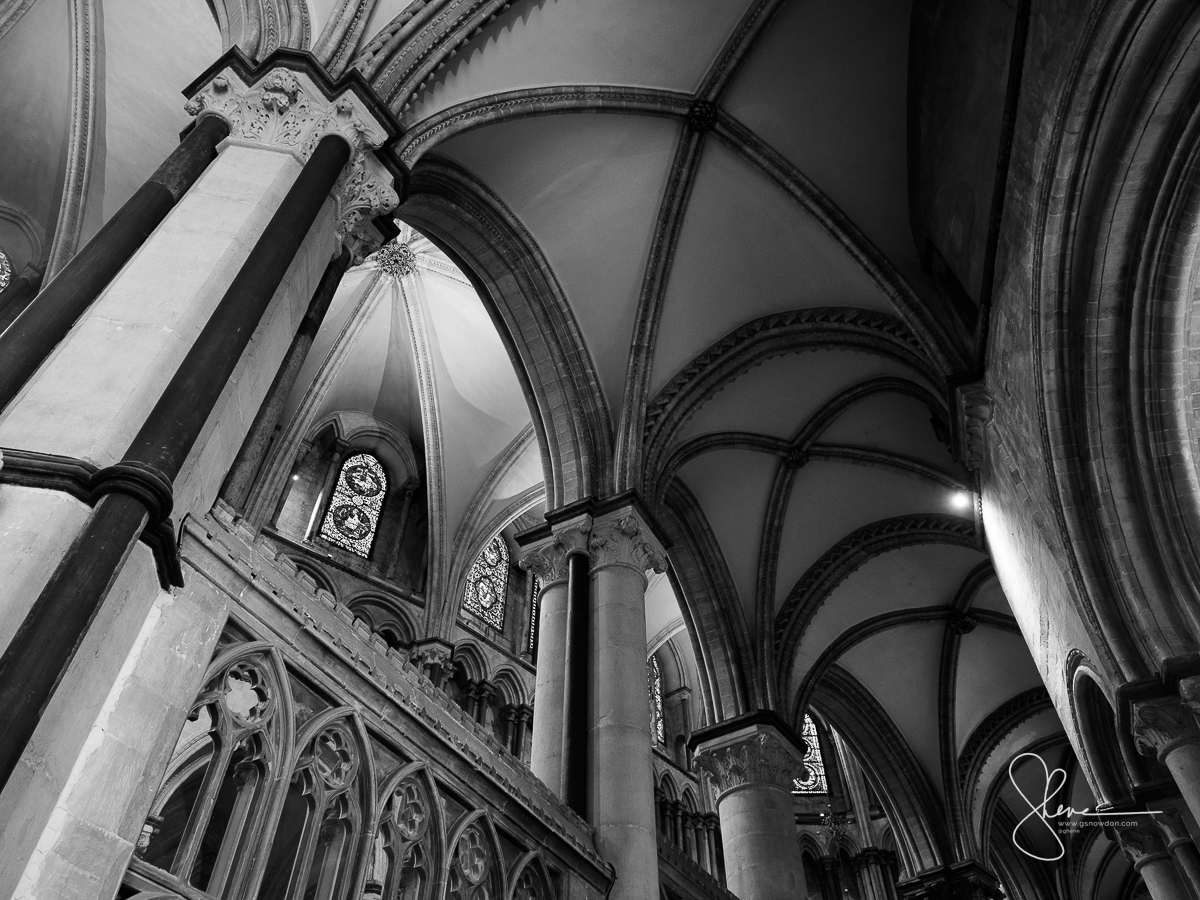
Visiting Canterbury
I remember one of my high school lessons, the pilgrims stories by Geoffrey Chaucer, the Canterbury Tales. So when Canterbury was suggested during our family meeting for a day out destination, of course we’ll choose it. We took the train to Canterbury from London early in the morning and wandered about the place with only two things in mind, to visit the Cathedral and walk about the town.
Canterbury is a UNESCO World Heritage city in Kent, England, sitting on the River Stour near the Strait of Dover. Once capital of the Celtic Cantiaci and later the Jutish Kingdom of Kent, it has been settled since Paleolithic times. With a population of over 55,000, the city relies heavily on tourism, education, and retail, and has one of Britain’s highest student-to-resident ratios.
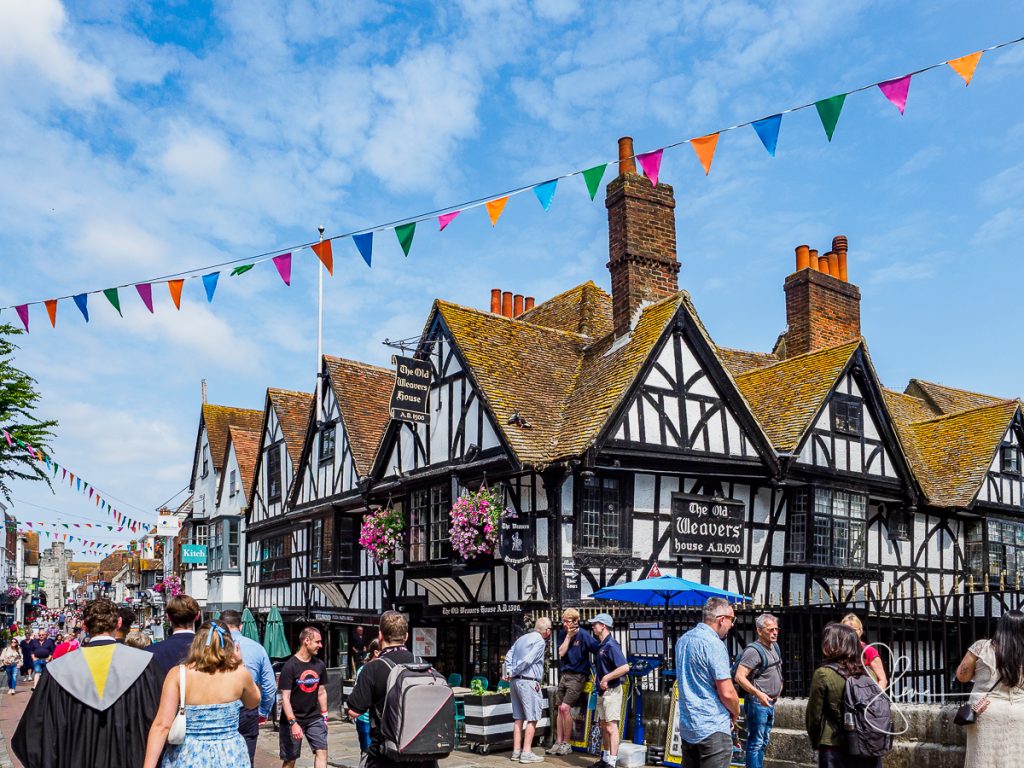
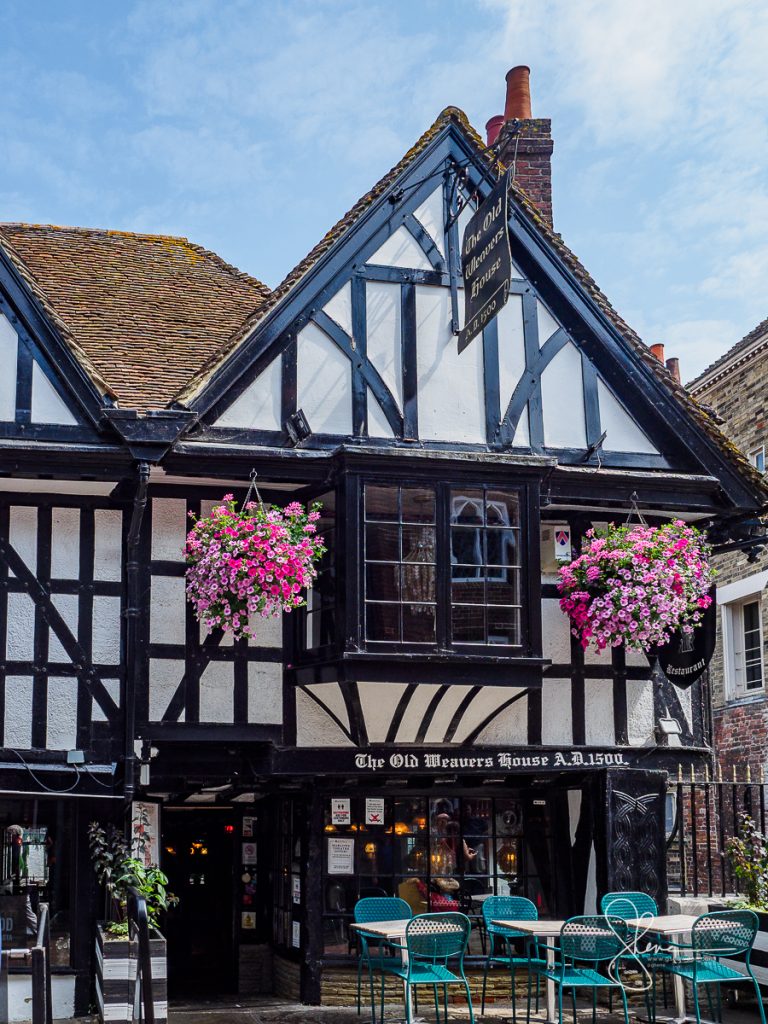

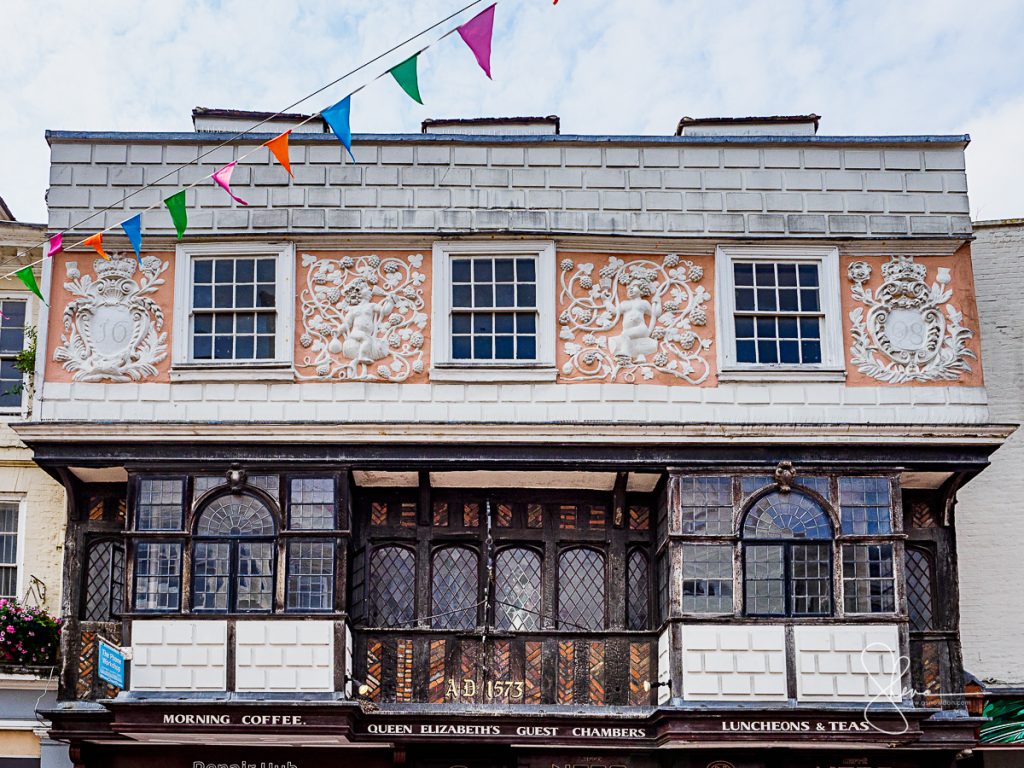
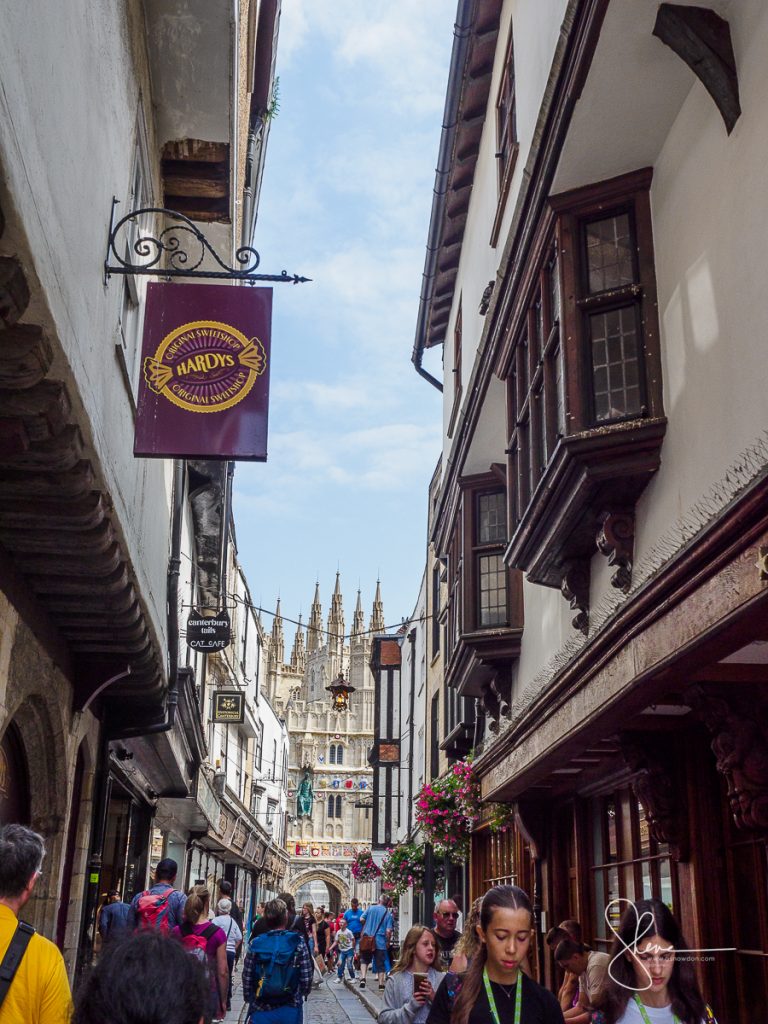
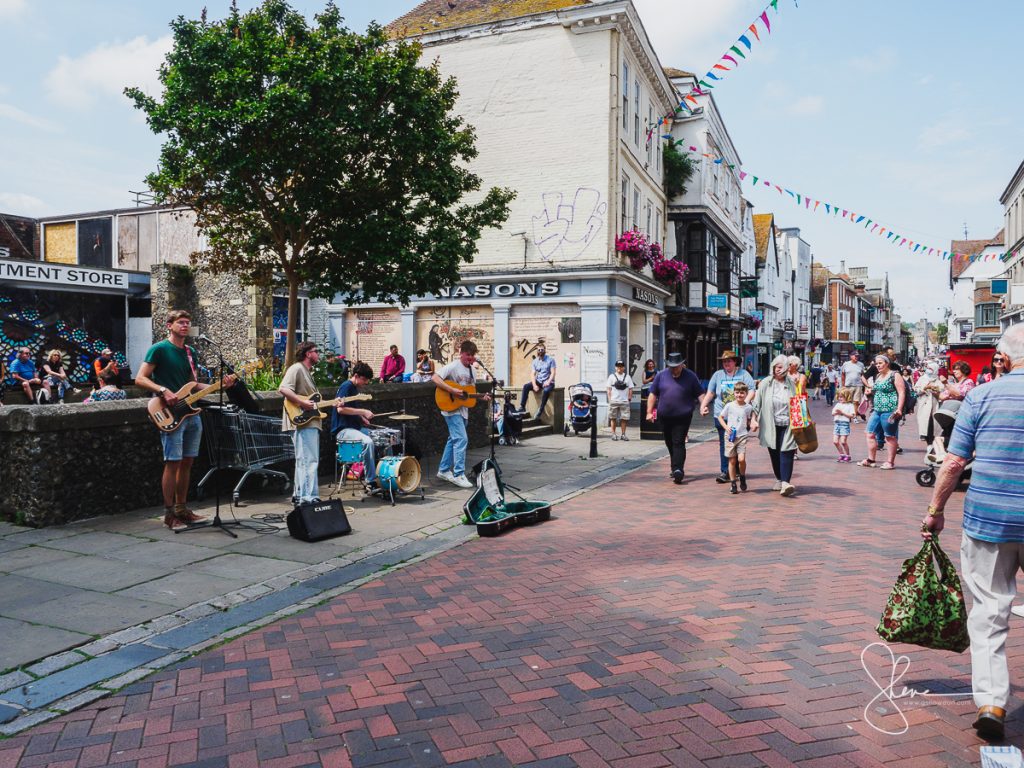
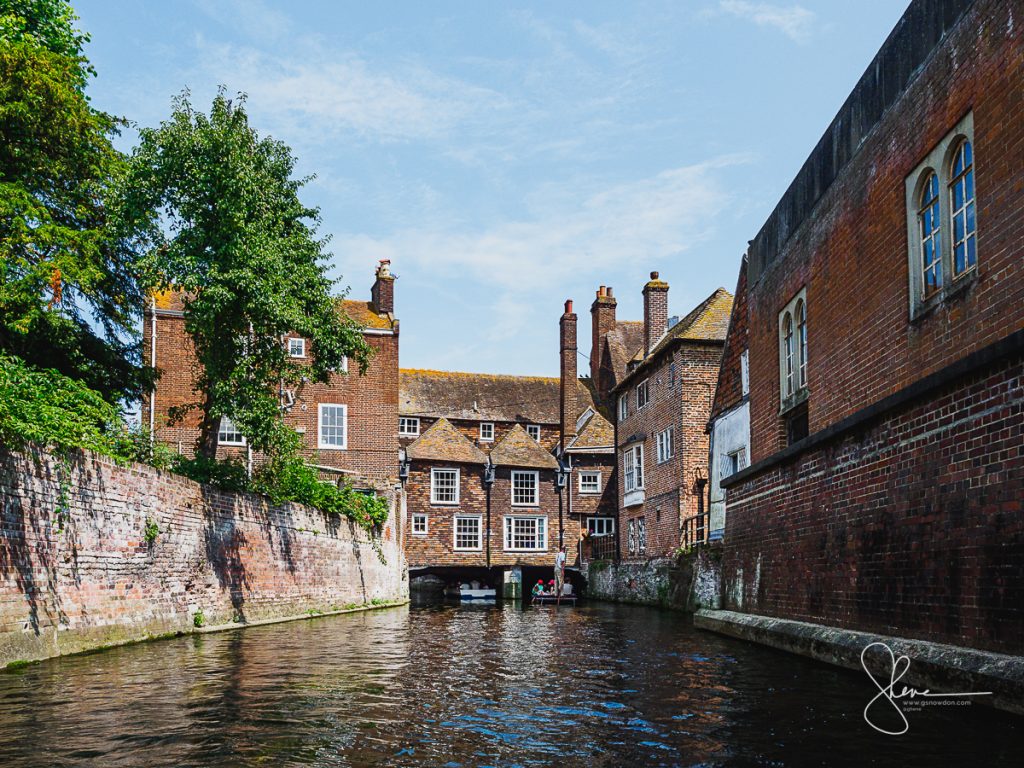
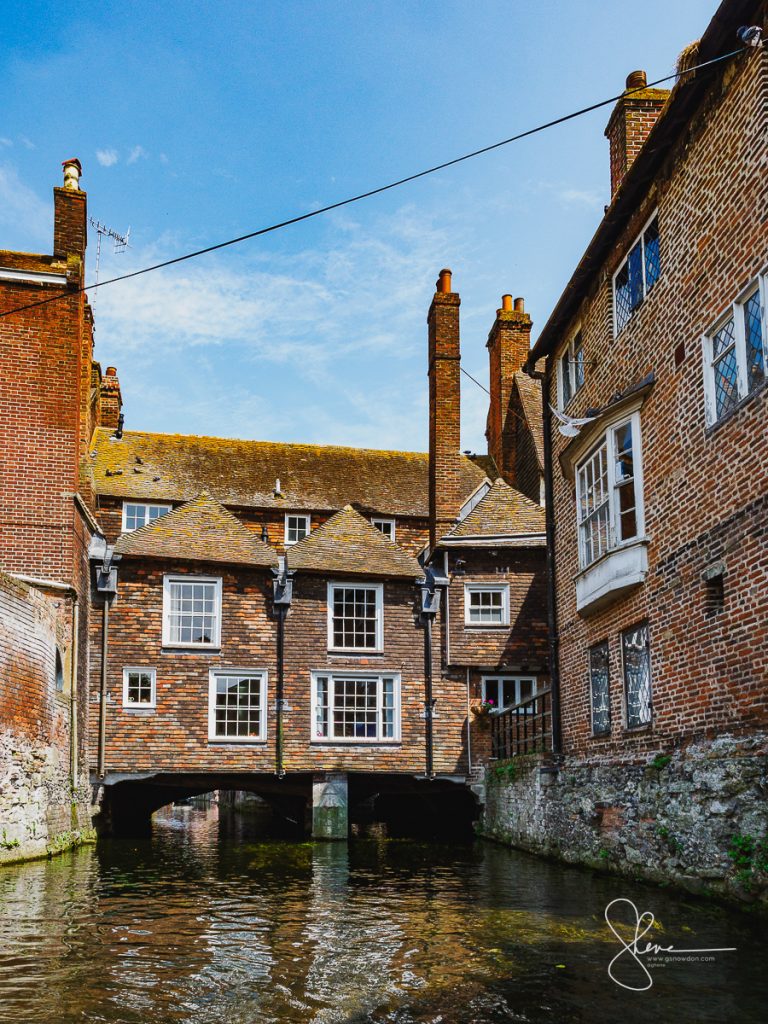
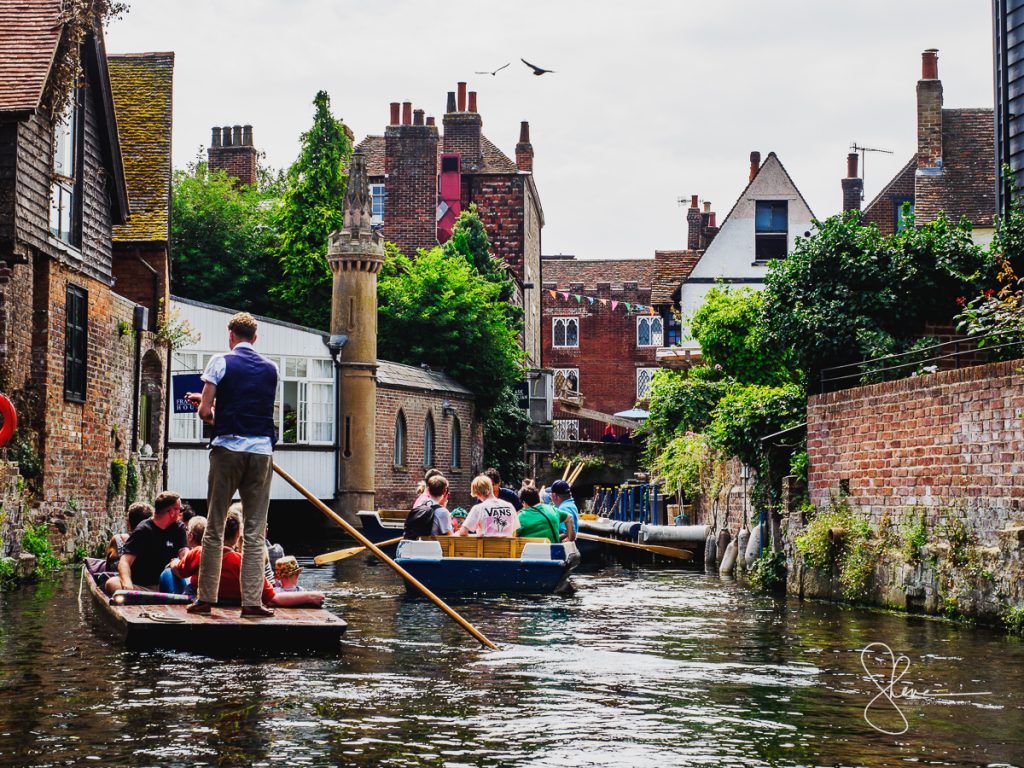
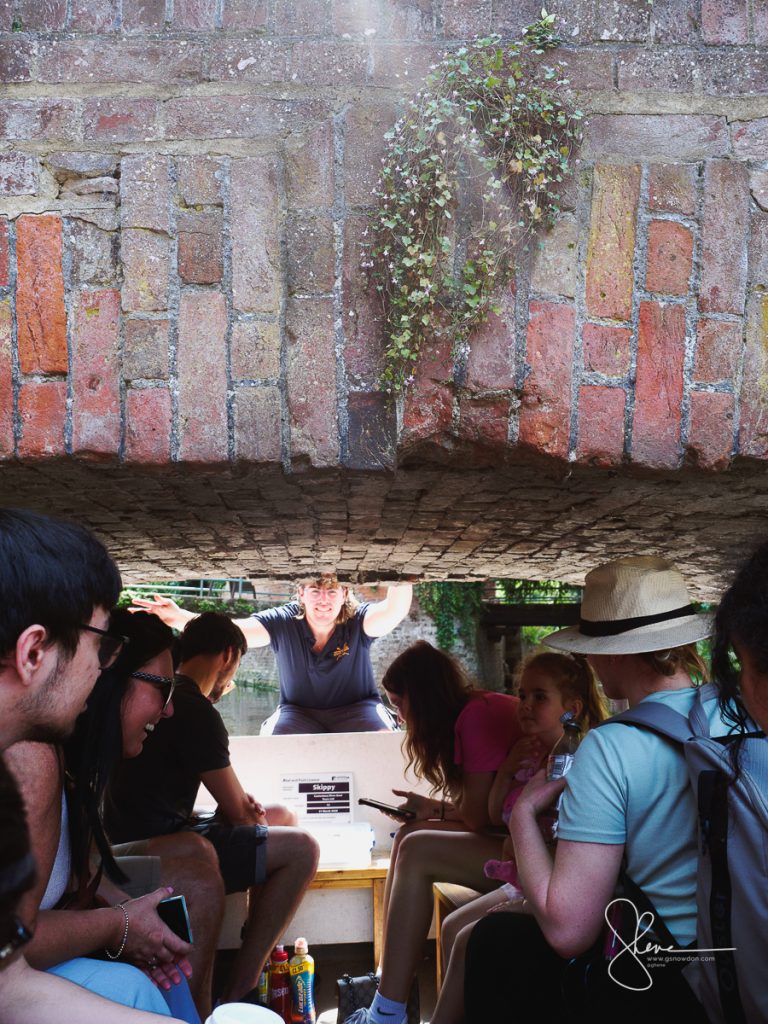
Historic sites include Roman-founded city walls, the Westgate Towers, St Augustine’s Abbey ruins, Canterbury Castle, and the King’s School—the oldest school in the world. The city’s centre-piece is Canterbury Cathedral, seat of the Archbishop of Canterbury, which draws around a million visitors a year.
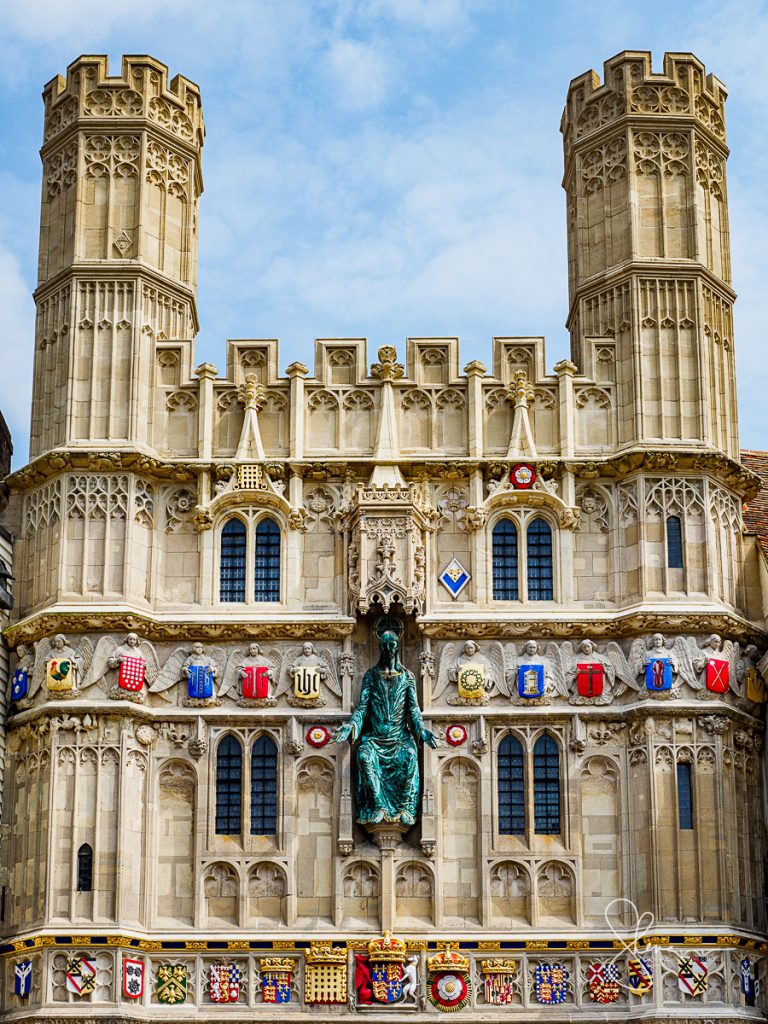
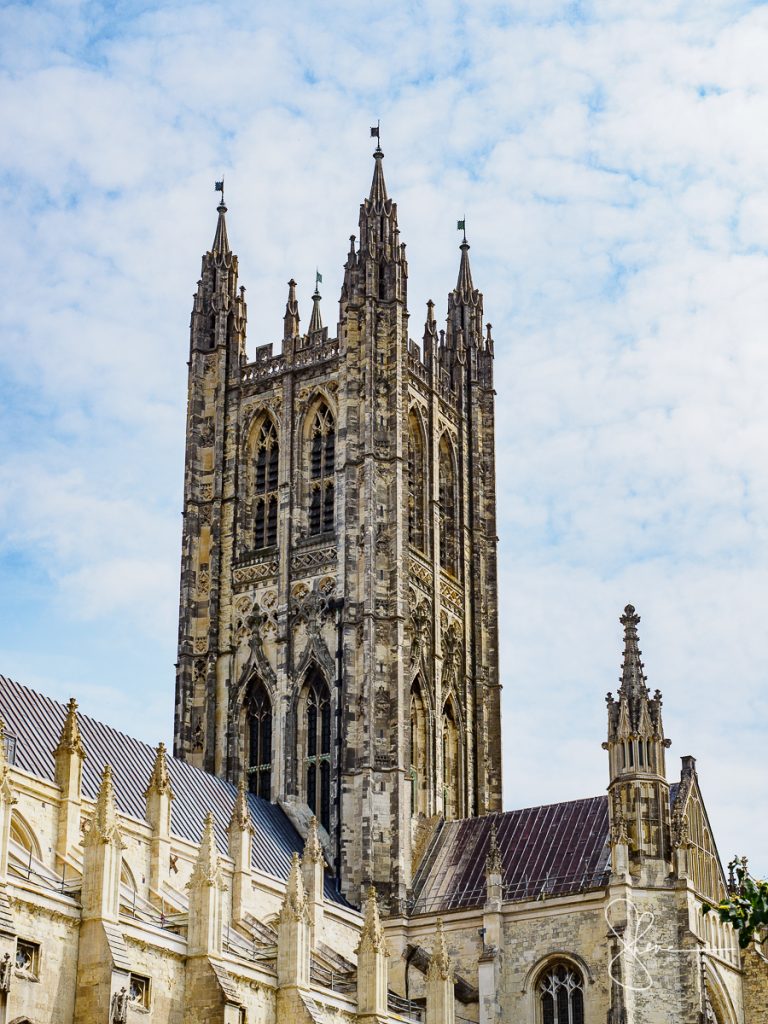
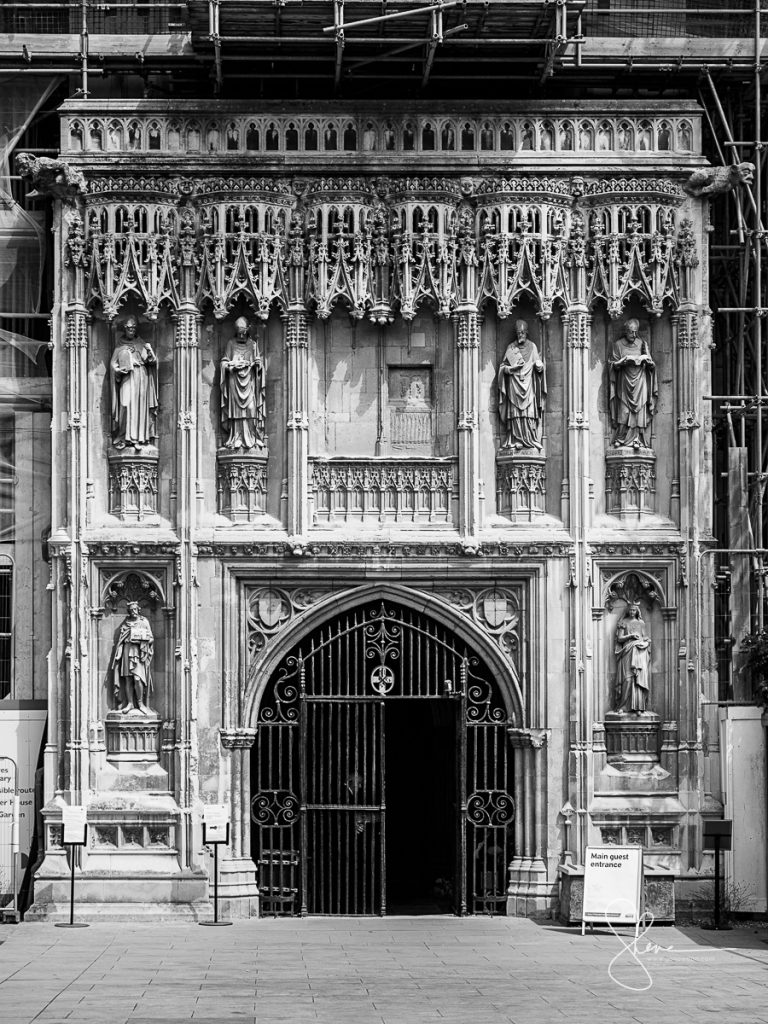
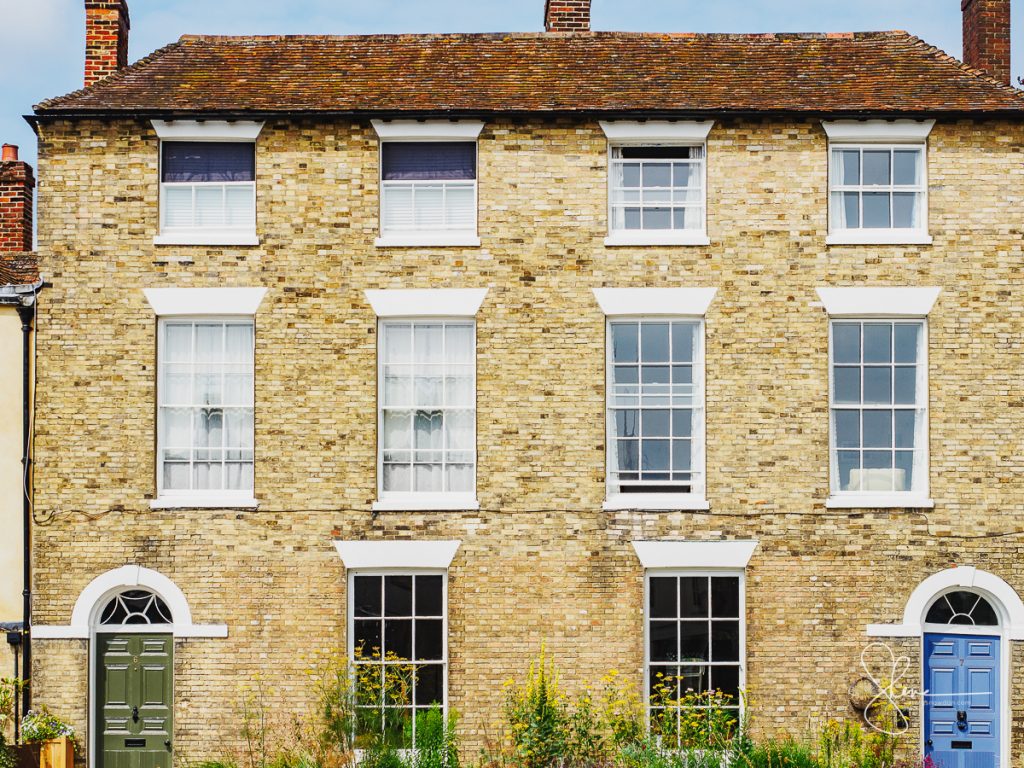
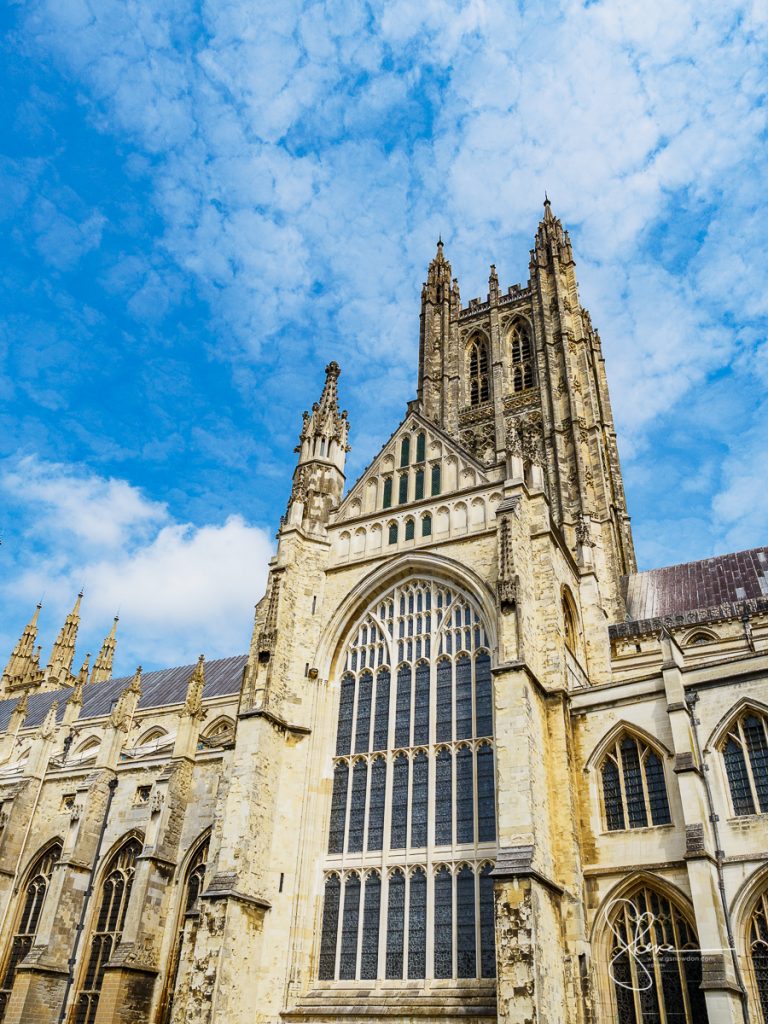
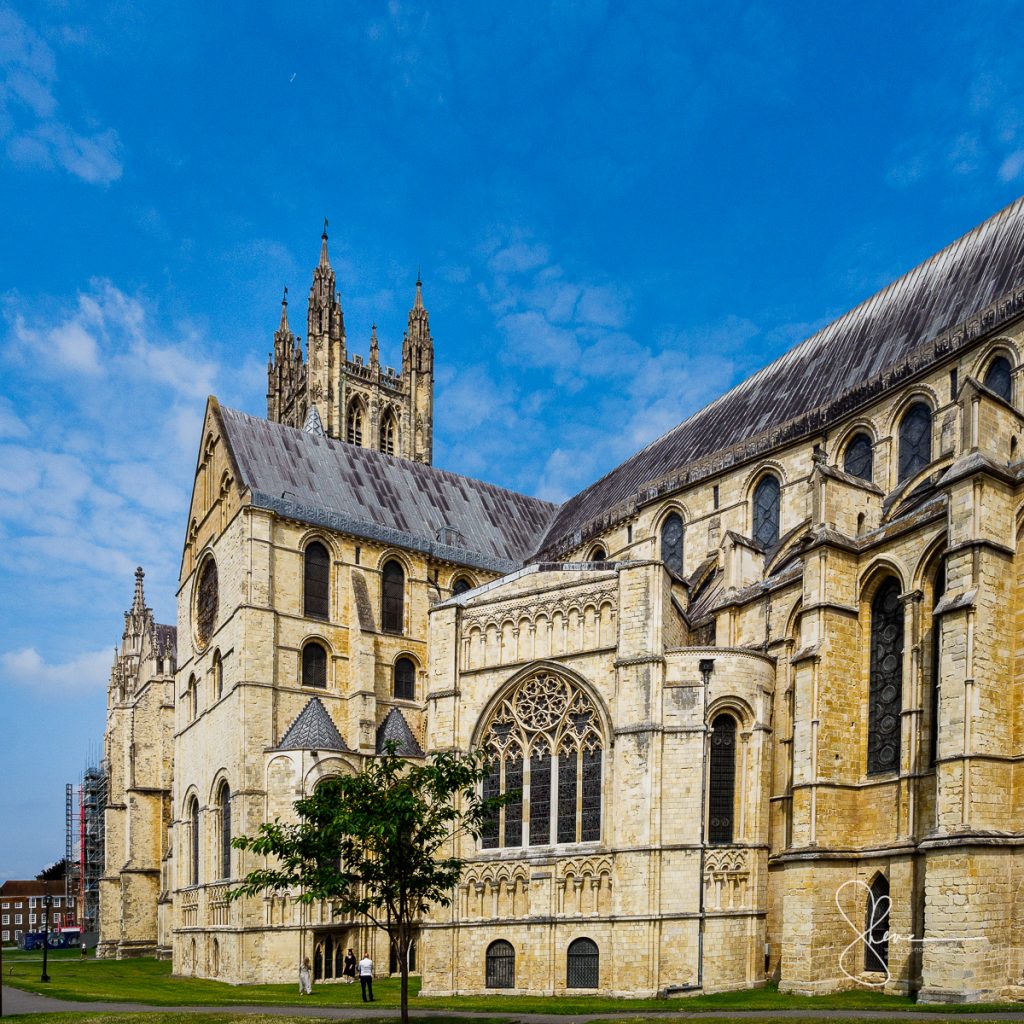
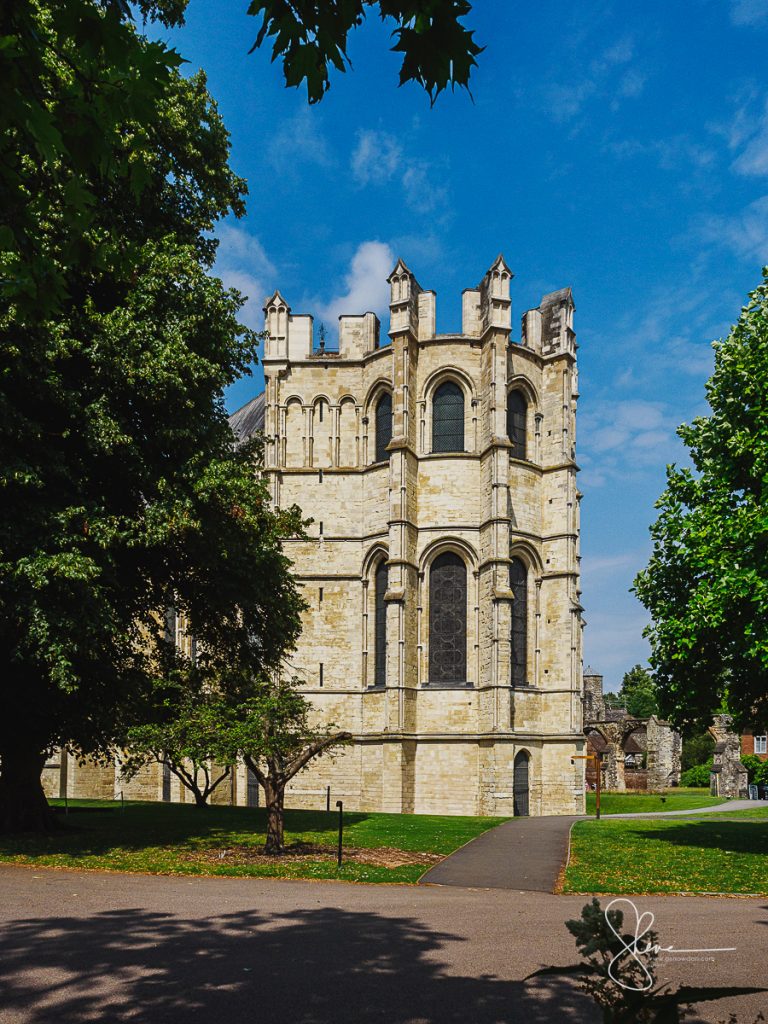
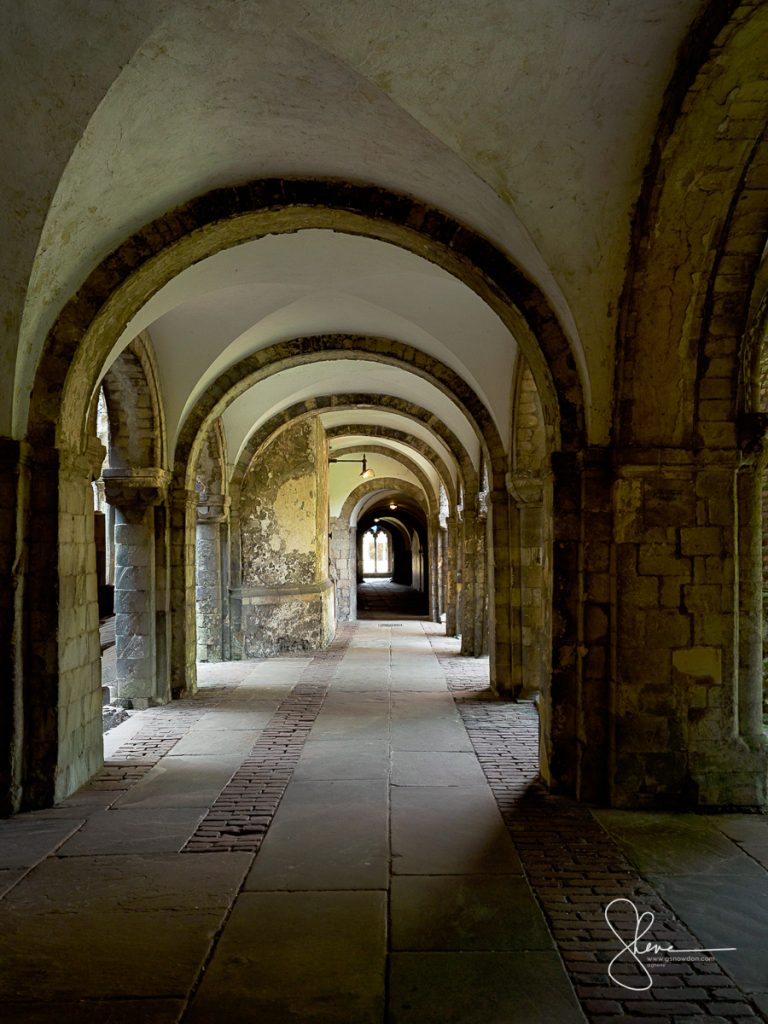
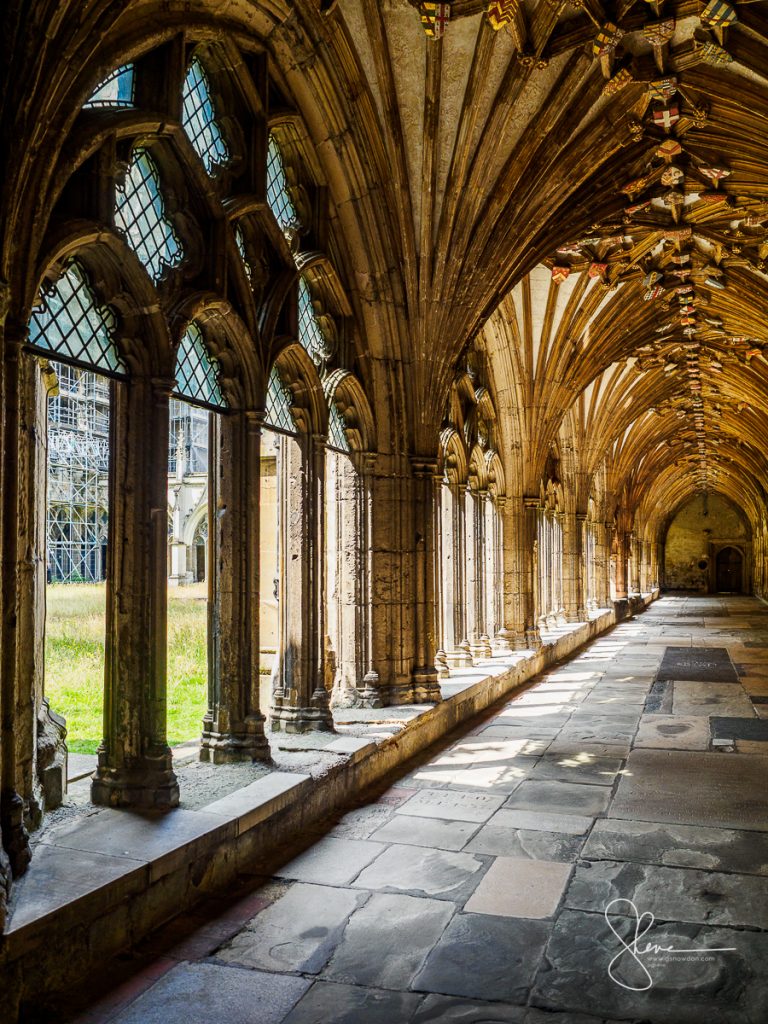

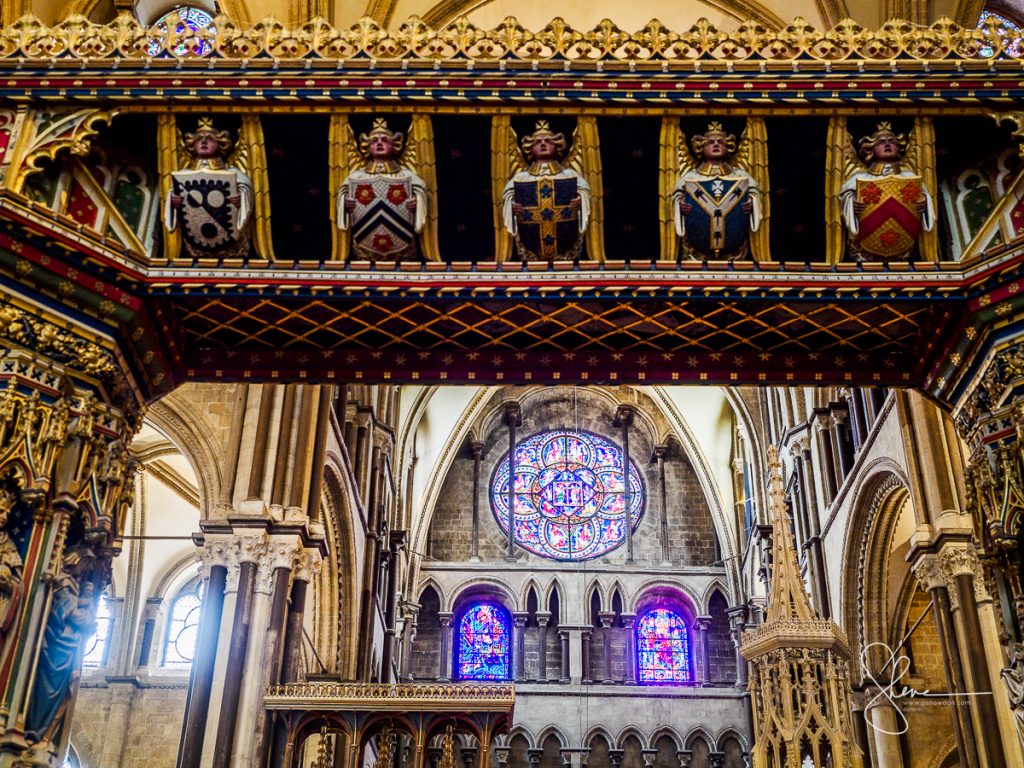
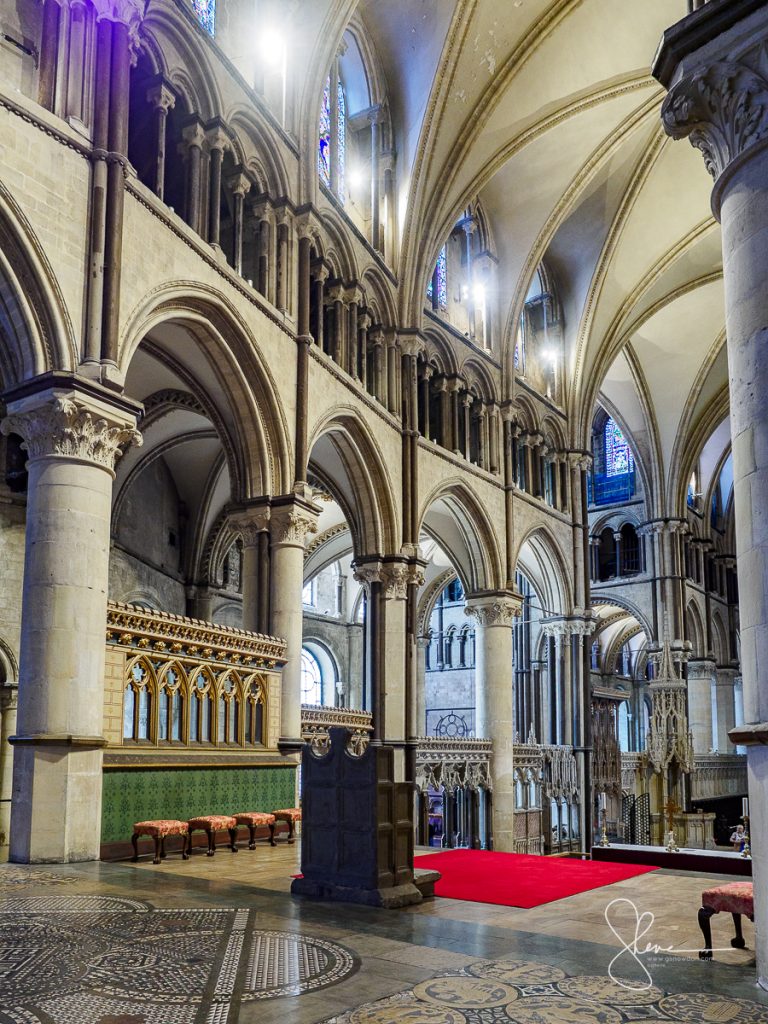
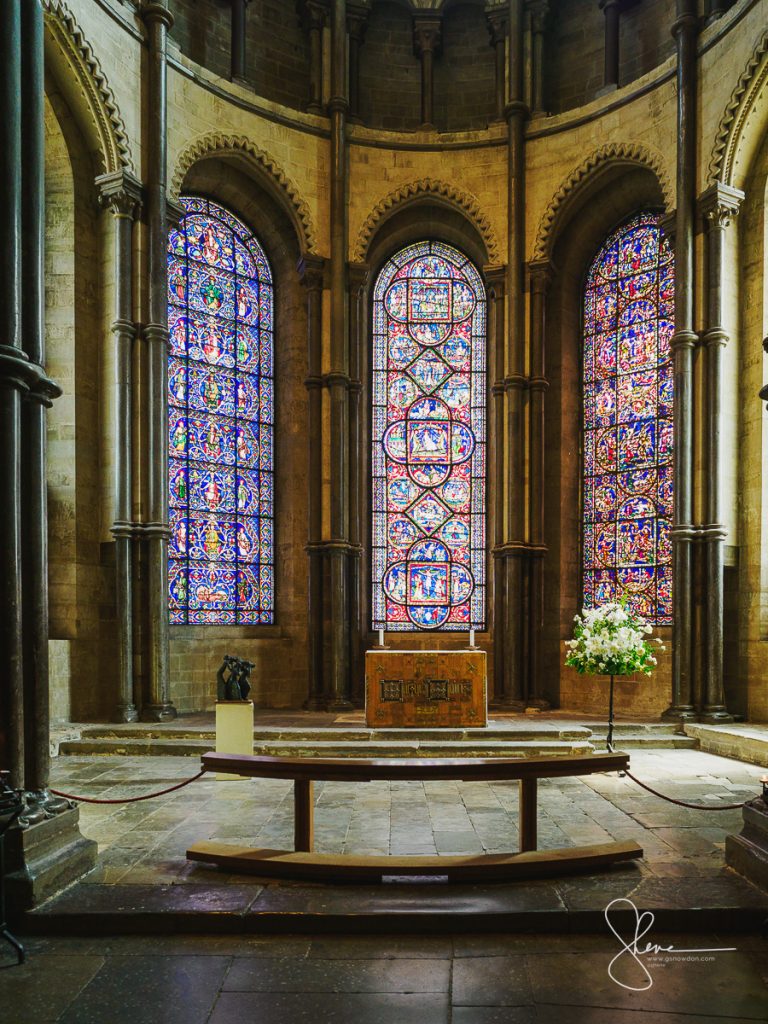

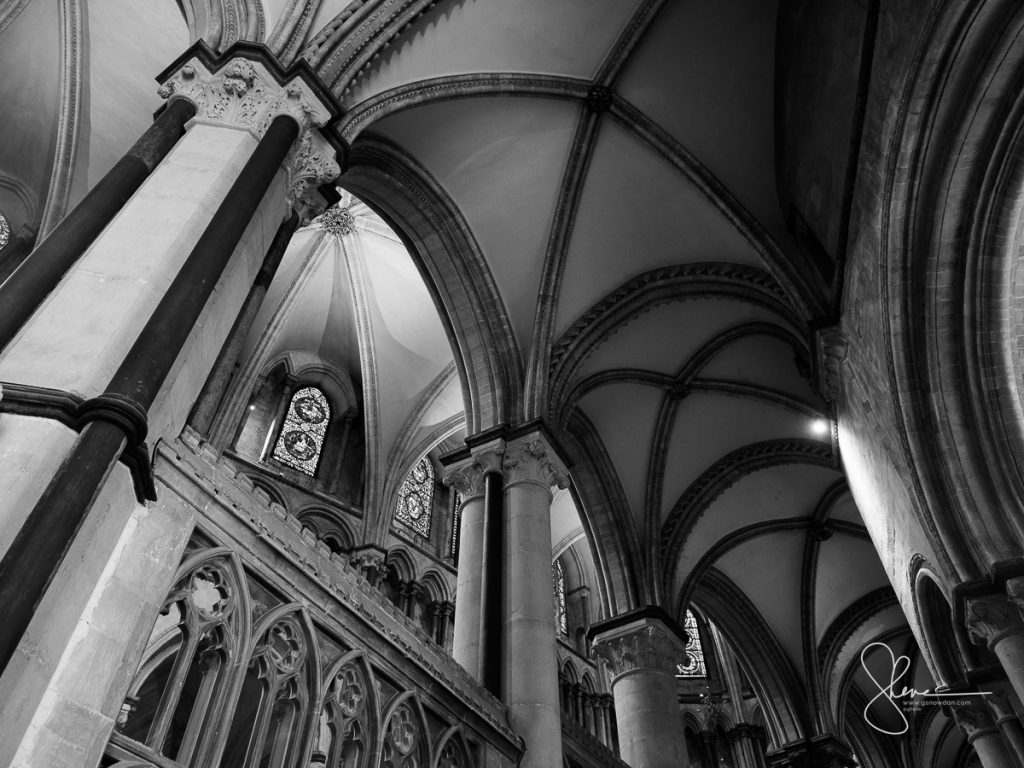



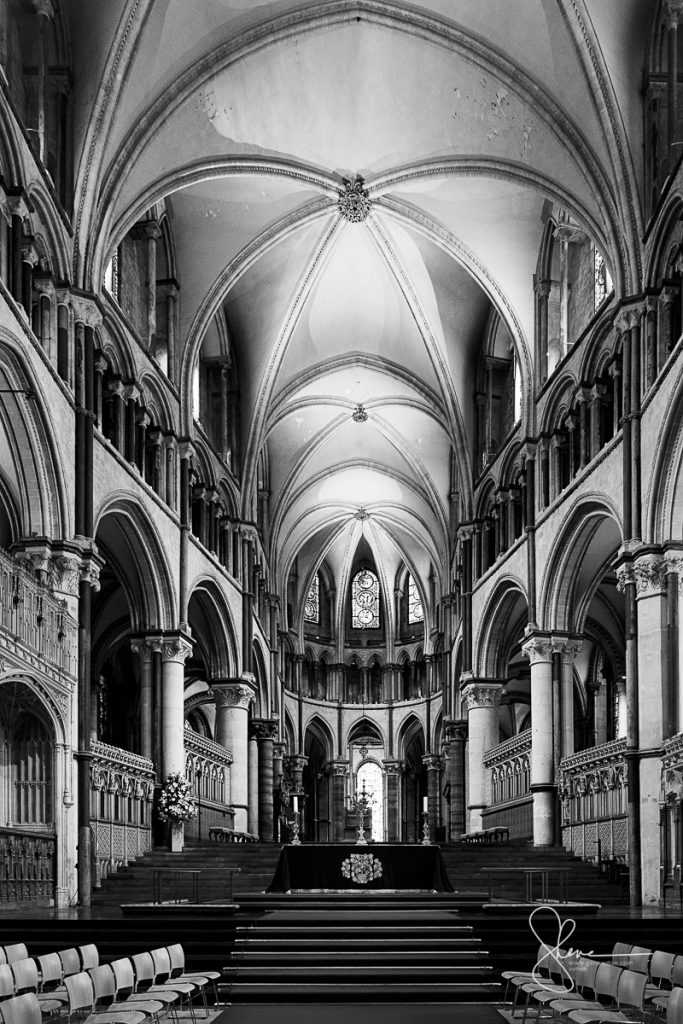
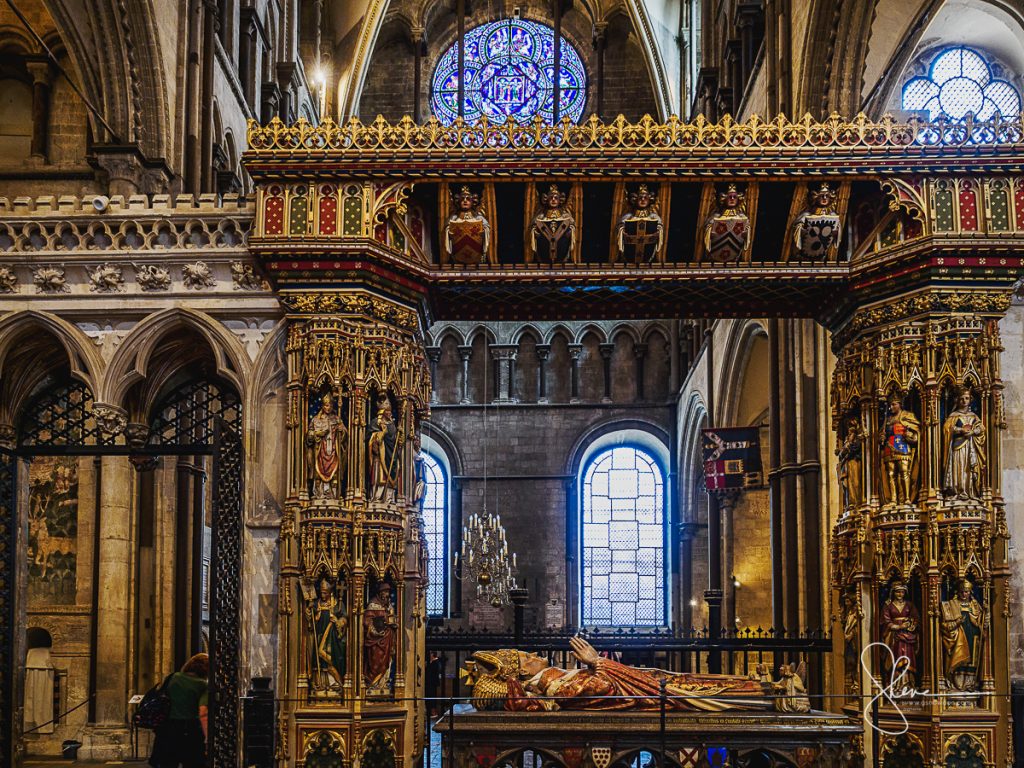
Canterbury has been inhabited since prehistoric times, beginning as a Celtic settlement before becoming the Roman town of Durovernum Cantiacorum, complete with walls, a forum, and baths. After Roman withdrawal in 410, the city was largely abandoned until Jutish settlers revived it, establishing trade and a mint by 630, though Danish raids caused heavy losses in the 9th century.
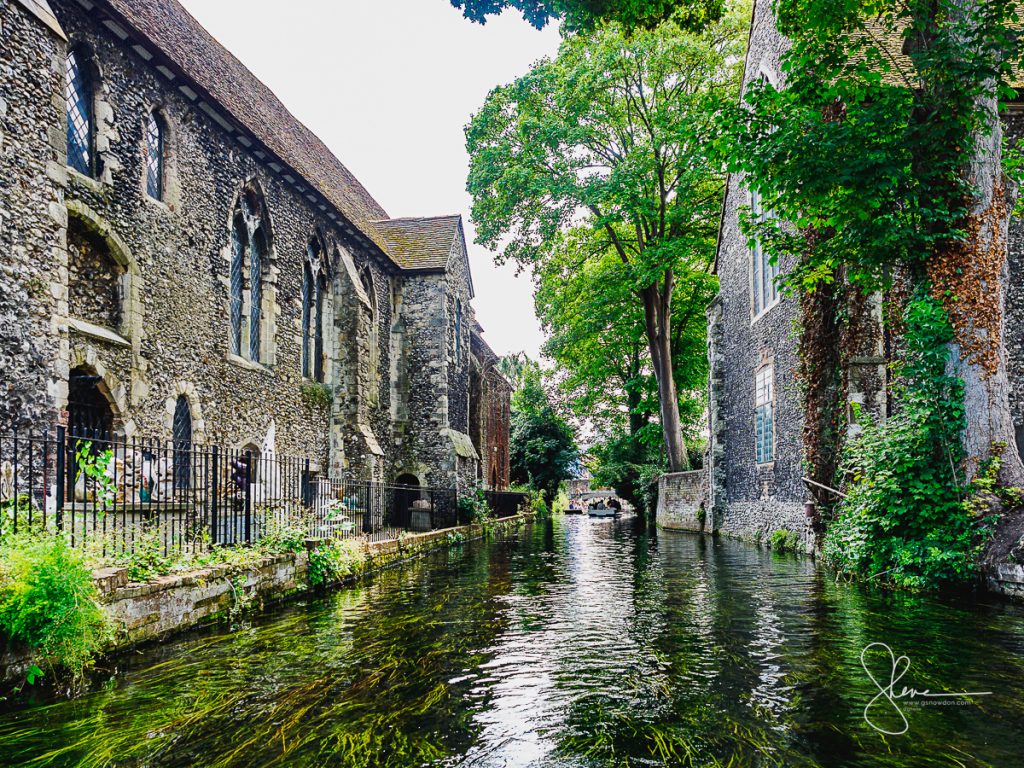
A Viking siege in 1011 led inhabitants to submit peacefully to William the Conqueror in 1066, who built a castle later rebuilt in stone. The Black Death in 1348 sharply reduced the population, and the city walls were rebuilt in the late 14th century. From the mid-16th century, Canterbury became a haven for Huguenot refugees, who eventually made up two-fifths of the population and introduced silk weaving as a major industry.
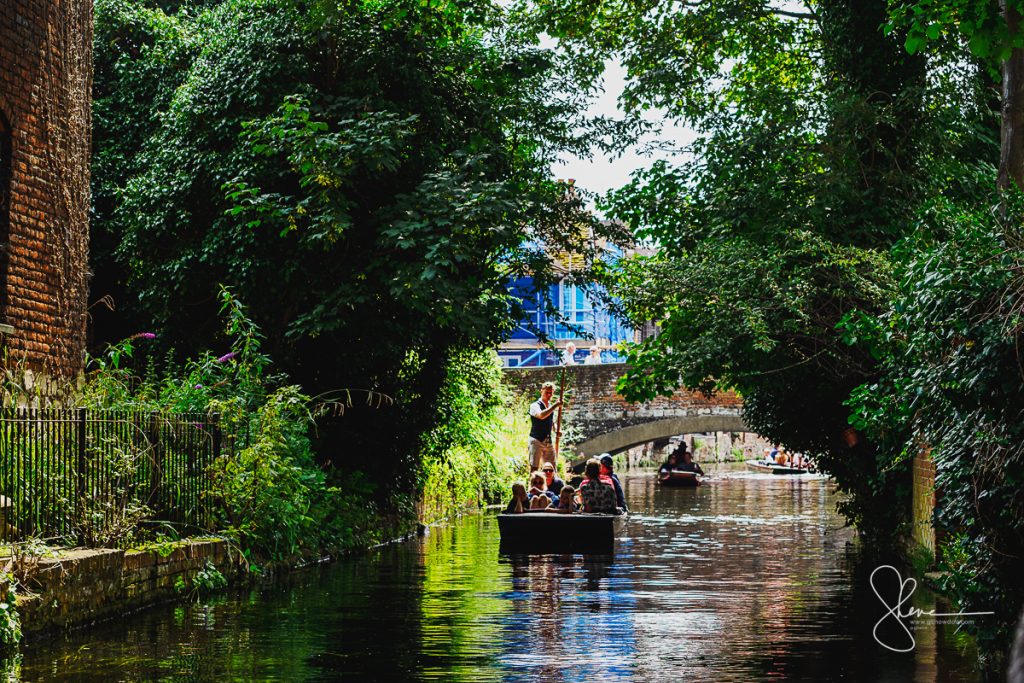
The city saw royal visits and Civil War unrest in the 17th century, before its castle fell into ruin and most gates were demolished for coach travel. The 19th century brought the world’s first passenger railway and a shift toward hops and wheat farming, with the population nearly doubling by 1900. WWII bombing destroyed hundreds of buildings, but the city rebuilt and expanded significantly in the 1960s with the founding of the University of Kent. More recently, Canterbury has hosted royal visits, an annual festival since the 1980s, and a major archaeological dig in 2000.

Where to Eat & Drink
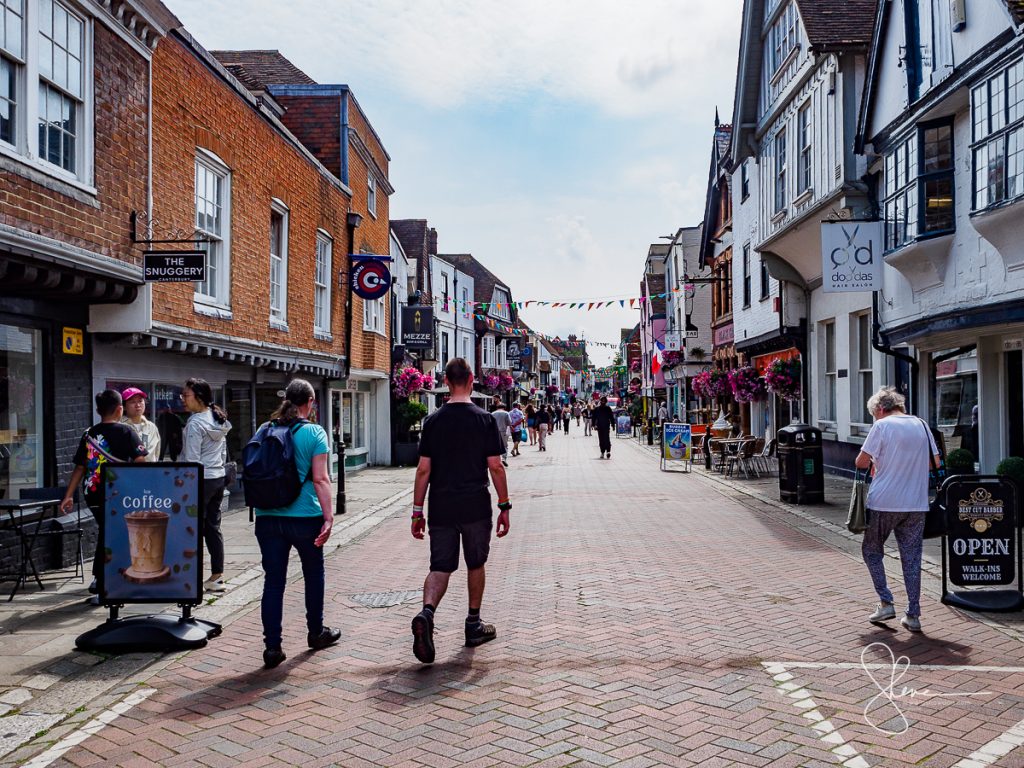
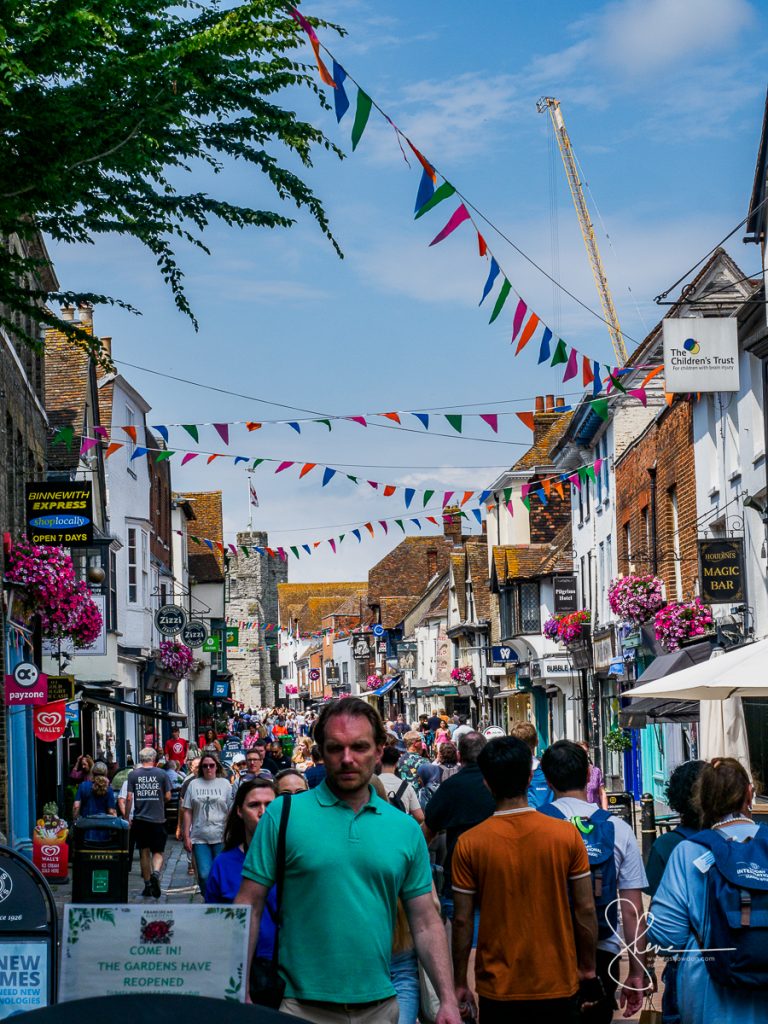
Restaurants, cafe’s and other establishments line the main street and there’s a lot to choose from.
No Comments